The Keenan Blog
Timely and informative posts written by our experts.
 Blog
Winter Break Readiness: Protecting School Facilities During Seasonal Closures
Winter break offers students and employees a welcome opportunity to recharge. For school districts, however, an extended closure also creates a period when buildings and grounds may be largely unoccupied for days or even weeks.
During that time, a minor roof leak, blocked drain, plumbing failure, security issue, or other unnoticed condition can develop into a significant property loss. A thoughtful winter break readiness plan can help districts protect their facilities, equipment, and infrastructure while reducing the likelihood of disruptions when students and employees return.
Begin with a Facility Walk-Through
Before campuses close, facility teams should conduct a thorough inspection of buildings and grounds. The review should focus on areas that may be vulnerable to seasonal weather, prolonged inactivity, or unauthorized access.
Key areas to inspect include:
Roofs, roof drains, and gutters
Exterior doors and windows
Walkways, stairs, and access routes
Plumbing and mechanical systems
Storage areas and utility spaces
Exterior structures, lighting, and fencing
Stormwater and site drainage systems
Small deficiencies are generally easier and less costly to address while employees are still onsite. Once a campus is unoccupied, even a relatively minor condition may go unnoticed long enough to cause substantial damage.
Reduce the Potential for Water Intrusion
Winter storms can bring heavy rain, strong winds, and localized flooding to many parts of California. Before the break begins, districts should confirm that windows and exterior doors close securely, roofs and gutters are clear of debris, and outdoor drainage systems are functioning properly.
Facility teams should also check classrooms, offices, gymnasiums, libraries, storage rooms, and other areas that may be vulnerable to water intrusion. Particular attention should be given to spaces containing computers, records, instructional materials, specialized equipment, or other property that could be difficult or expensive to replace.
Even a small leak can damage flooring, furnishings, equipment, and building materials when it remains undetected during an extended closure.
Account for Regional Winter Conditions
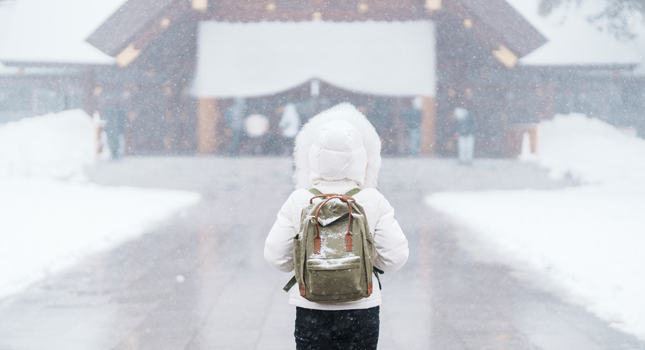
Winter risks vary considerably across California. Districts in colder regions may need to prepare for snow, ice, freezing temperatures, and repeated freeze-thaw cycles. Other districts may be more concerned about wind-driven rain, flooding, mud or debris flows, or falling trees and branches.
In areas that experience snow or freezing conditions, facility teams should evaluate:
Roofs for potential snow-load concerns
Walkways and parking areas for ice hazards
Exterior stairs, handrails, and accessible routes
Locations where melting snow may refreeze
Pipes and building systems exposed to low temperatures
Planning around the conditions most likely to affect each campus can help districts prioritize resources and address their most significant vulnerabilities before severe weather arrives.
Review Plumbing and Mechanical Systems
Building systems can experience problems even when facilities are not in active use. Temperature changes, equipment malfunctions, or interrupted utilities may cause damage that remains undiscovered until employees return.
Before the closure, districts should consider reviewing:
Exposed pipes and plumbing connections
Insulation around vulnerable piping
Heating system operation and maintenance status
Temperature monitoring in sensitive areas
Mechanical rooms and utility spaces
Water shutoff locations and response procedures
Frozen pipes, leaks, and mechanical failures can cause extensive damage if they are not identified quickly. Districts may also want to determine which systems require continuous operation during the break and confirm who will respond if an alarm or monitoring system indicates a problem.
Strengthen Security During the Closure
A quieter campus can be more vulnerable to vandalism, theft, unauthorized entry, fire, and other incidents. Winter break preparation should therefore include a review of both physical security measures and internal notification procedures.
Before closing facilities, districts should:
Secure equipment, tools, vehicles, and storage areas
Confirm that intrusion, fire, and environmental alarms are operational
Inspect exterior lighting and surveillance equipment
Remove unnecessary combustible materials from around buildings
Verify that gates, doors, windows, and access points are secured
Review emergency contact information and escalation procedures
Districts should also consider whether scheduled campus activities, construction work, maintenance projects, or community use may affect building access during the break. Clear coordination can help prevent doors from being left unsecured or alarms from being unintentionally disabled.
Establish a Monitoring and Response Plan
Preparing a facility before winter break is only one part of the process. Districts should also establish a plan for monitoring properties while they are unoccupied.
Depending on the campus and its exposures, the plan may include periodic site inspections, automated temperature or water-detection systems, alarm monitoring, or coordination with security personnel and local emergency services.
The plan should clearly identify:
Who will receive alerts or emergency calls
Who has the authority and access needed to enter the facility
Which vendors should be contacted for urgent repairs
How incidents will be documented and reported
When district leadership and risk-management personnel should be notified
Keeping this information current and accessible can improve response time when an incident occurs outside normal operating hours.
Plan for a Safe and Orderly Return
Winter readiness is not limited to preventing property losses. It also helps ensure that facilities are safe, operational, and ready to support students and employees when classes resume.
Before reopening, districts should allow sufficient time to inspect buildings, test critical systems, clear walkways, address any damage, and confirm that classrooms and common areas are ready for occupancy. If a storm or other incident occurred during the break, an additional inspection may be appropriate before students and employees return.
Make Seasonal Preparedness Part of a Broader Risk-Management Strategy
Winter break provides a natural opportunity to evaluate facility conditions, emergency procedures, and property protection practices. The observations made during a seasonal inspection can also help inform longer-term maintenance planning, capital improvements, business continuity measures, and loss-control priorities.
At Keenan, we encourage school districts to approach seasonal readiness as an ongoing risk-management practice rather than a one-time checklist. By identifying vulnerabilities, assigning responsibilities, and confirming response procedures before a closure, districts can better protect their facilities and support a smoother return to school.
Subscribe to the Keenan Blog
Subscribe to the Keenan Blog